
When severe weather passes through North Carolina, your roof takes the brunt of the impact. As a homeowner, it’s vital to know how to spot storm damage as soon as possible to prevent further problems and maximize your chances of a smooth insurance claim. This guide will walk you through a practical checklist for inspecting your roof after wind, hail, or heavy rain, and offer advice on documenting evidence for your insurance provider.
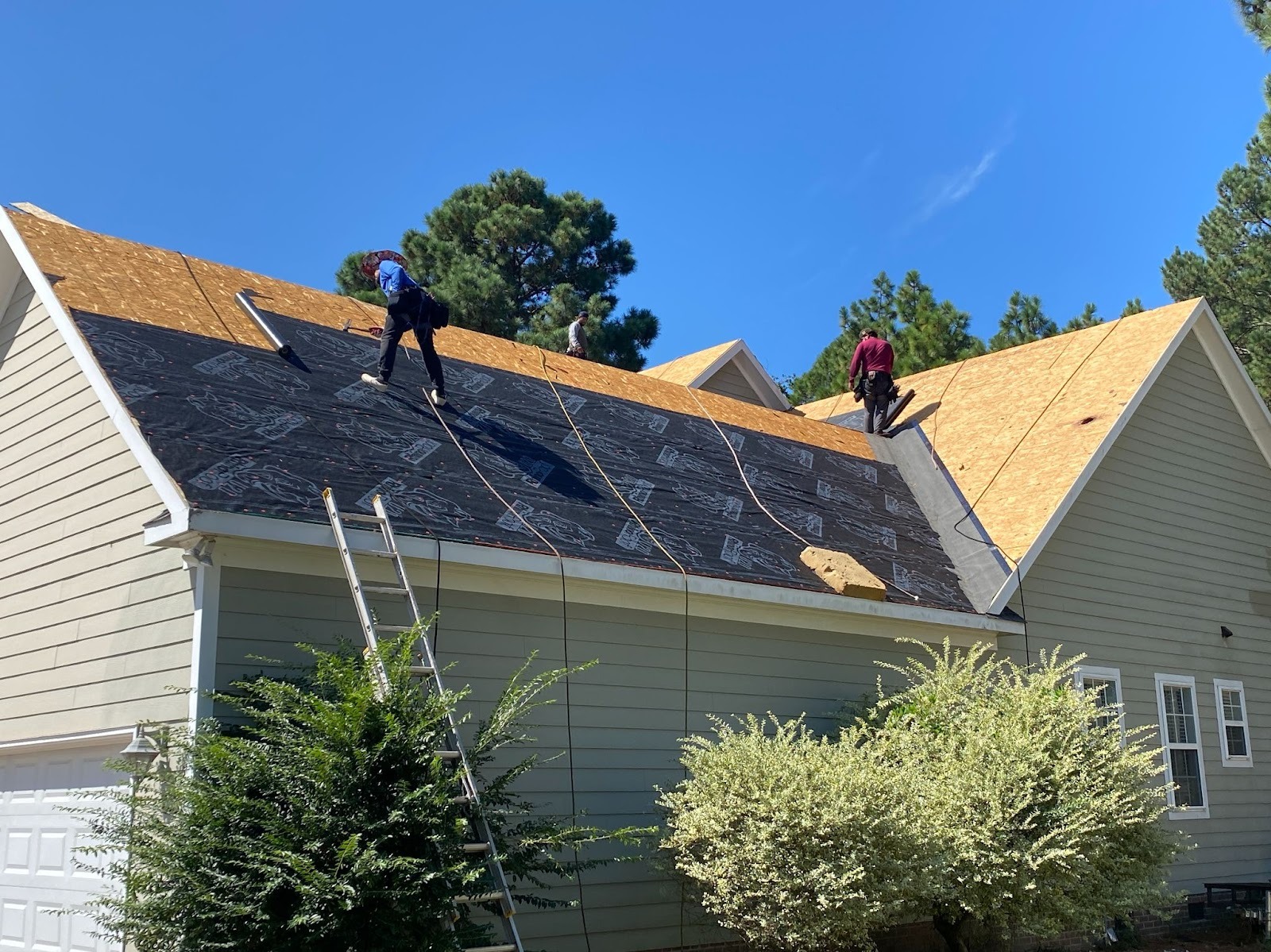
Key Signs of Wind Damage on Your Roof
High winds can lift shingles or blow debris onto your roof, causing immediate and sometimes subtle signs of damage. When inspecting your property, pay close attention to the following indicators:
- Missing, bruised, or curled shingles
- Exposed underlayment or roof decking
- Bent, loose, or missing flashing around chimneys and vents
- Shingle granules accumulating in gutters
Crusader Roofing’s team has responded to multiple calls in the Fayetteville area after intense spring storms, where high winds frequently peel away shingle layers, leaving homes exposed to further leaks.
How Hail Affects Your Roofing Materials
Hailstorms are common in the Southeast during late spring and summer, and even small hail can cause lasting roof damage. Here’s what you should look for after a hail event:
- Circular or irregular dents on shingles, vents, or metal flashing
- Granule loss resulting in exposed black substrate spots
- Cracks or splits in asphalt shingles
- Damage to skylights, gutters, and downspouts
After last summer’s hailstorm in Fayetteville, several local homeowners discovered previously undetected shingle bruising that later led to leaks. Identifying such problems early can prevent interior water damage and costly repairs.
Identifying Issues from Heavy Rainfall
While a well-built roof should withstand rain, years of exposure and sudden downpours can reveal vulnerabilities. Pay close attention to:
- Soft or sagging spots indicating possible water damage
- Water stains on ceilings or attic sheathing
- Blocked or overflowing downspouts and gutters
- Mold or mildew growth along eaves or rafters
After particularly heavy storms, homeowners in this region have noted that clogged gutters have led to water backup under shingles, leading to wood rot and mold—conditions that require immediate professional attention.
Documenting Damage for Insurance Claims
Proper documentation is key to a successful insurance claim. Take these steps as you inspect your property:
- Capture clear, date-stamped photos of all visible damage, including wide shots and close-ups
- Make a list of affected areas and items (shingles, gutters, vents, siding)
- Keep records of any emergency repairs and related receipts
- Note the date and time the storm occurred and collect any relevant weather reports for your files
Prompt, detailed documentation streamlines the claims process and gives adjusters the evidence they need. Roof repair, roof replacement, and storm damage restoration are much easier for your roofing contractor to substantiate with thorough evidence.
Contact Crusader Roofing for Professional Storm Damage Inspection and Repairs
When your Fayetteville, NC home is at risk after a storm, don’t leave roof damage to chance. Schedule a professional inspection with Crusader Roofing. The team can accurately assess roof conditions, provide comprehensive repair solutions, and assist with your insurance claim process. Call (910) 476-4720 or fill out our online form for a rapid response and peace of mind.
Recent Comments